
Piazza Pretoria, Palermo
The Fontana Pretoria, Palazzo delle Aquile, the Church of Santa Caterina: one of Palermo's most scenic squares, one block from the Quattro Canti. An independent guide with the practical information that actually matters.

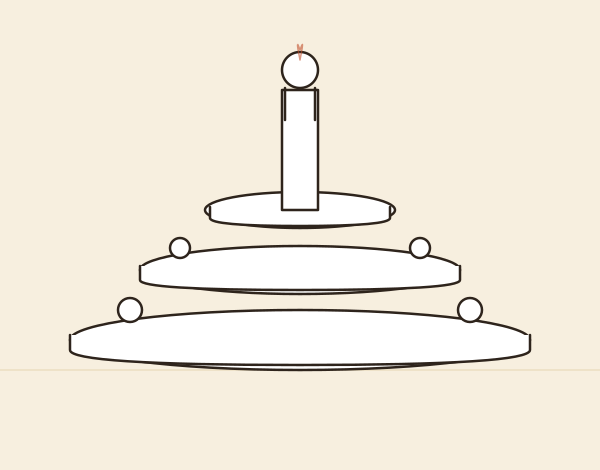
Fontana Pretoria
Made in Florence in 1554 by Francesco Camilliani, it was sold to the Senate of Palermo in 1573 and reassembled here in 644 pieces. 48 statues of deities, tritons and rivers make it a Renaissance masterpiece.
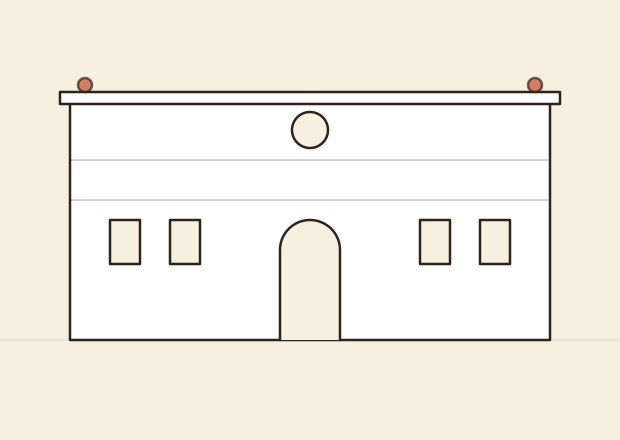
Palazzo delle Aquile
Palermo's town hall, named after the eagles at the corners of the cornice. On the façade, the statue of Santa Rosalia and the clock were added during 19th-century restorations after the 1823 earthquake.
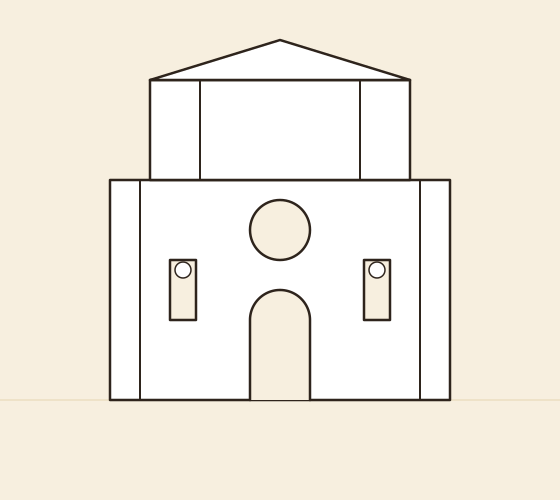
Church of Santa Caterina
On the west flank of the fountain, a masterpiece of late-16th-century Palermitan Baroque, with richly decorated interiors in polychrome marble.
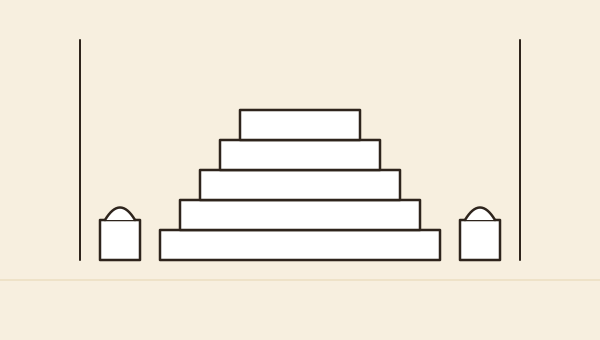
The Staircase of the Lions
On the fourth side, a staircase flanked by two grey Billiemi marble lions, sculpted by Domenico Costantino in 1877, descends towards Via Maqueda.
Why it's called "Piazza della Vergogna"
Contrary to popular belief, the nickname doesn't come from the statues' nudity, but from the huge sum the Palermo Senate paid for the fountain — twenty thousand scudi — during a time of poverty and famine. Palermitans are said to have shouted "vergogna, vergogna" (shame, shame) at the senators leaving the palace. The nudity legend only emerged in the 19th century, when the era's puritanism looked awkwardly at the classical statues.
The square is free and always open, but the Church of Santa Caterina and Palazzo Bonocore have paid entry — booking ahead is worthwhile for historic centre tours in high season.
Trattorias of the historic centre
Pasta with sardines, caponata, busiate with Trapani pesto: the best restaurants are often in the alleyways around the Ballarò market, away from tourist-menu venues facing directly onto the square.
See food toursPanelle, arancine and sfincione
Palermo's quintessential street food is found at the historic kiosks of the centre — an authentic, affordable taste of the city, among the best in Italy.
See tastingsAperitivo in Piazza Pretoria
A glass of Sicilian wine at tables overlooking the square, with the illuminated fountain in the background — one of the most striking ways to start a Palermitan evening.
See evening tastingsJuly 10-15, "U Fistinu"
Palermo's patron saint feast, with a triumphal float parading from the historic centre to the sea, amid fireworks and popular devotion — one of the most heartfelt events of the year.
See what's onPalermo Classica
A music series that fills theatres and historic venues across the city all year round, with a focus on classical and chamber music.
See what's onHistoric Markets
Ballarò, Vucciria and Capo aren't just markets: they're the most authentic way to experience Palermo, amid vendors' calls and street food, open year-round in the mornings.
Discover the marketsRun a business in Palermo?
Trattorias, pastry shops, tour operators, wine bars: if you'd like to be featured in this section or in "What to See", get in touch.
Hotels
Service, breakfast included, 24-hour reception. The most convenient choice for short stays in the historic centre, often in restored period buildings.
Search hotelsApartments
Space, your own kitchen, ideal for families or longer stays. Often better value than hotels for groups of 3 or more.
Search apartmentsB&Bs
Local warmth, home-cooked breakfast, lower prices. The most authentic way to experience Palermo's historic centre.
Search B&BsTransfer
Palermo Airport (Falcone e Borsellino) is about 40 minutes by shuttle bus or train from the centre. From Palermo Centrale station, the square is a 10-minute walk.
Full transfer guideCar rental
Palermo's historic centre has narrow alleyways and an extensive restricted traffic zone: pointless and not advisable for the square itself. It makes sense for exploring the Sicilian coast or hinterland independently.
When it's worth renting
Space reserved for local operators.
Piazze d'Italia Network
Piazza Pretoria is one of the iconic squares told by the Piazze d'Italia network — independent territorial guides dedicated to the places where history, architecture and public life meet, city after city.
Discover the other piazze →
Your first stop in Palermo: the most scenic square in the historic centre
The fountain, Palazzo delle Aquile and Santa Caterina can be visited as a single, free, always-open block.
See tickets and experiences