
What to see at Piazza Pretoria
Six stops that tell the story of the Renaissance masterpiece that arrived from Tuscany and the Palermitan Baroque surrounding it.
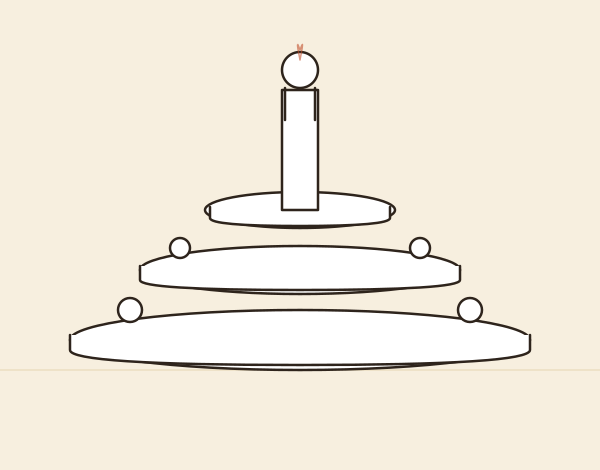
Fontana Pretoria
Carved in Florence in 1554 by Francesco Camilliani for Don Pedro de Toledo's garden, it was sold to the Senate of Palermo in 1573 and arrived disassembled in 644 pieces, reassembled between 1574 and 1581.
The 48 Statues
Olympian deities, tritons, mermaids and personifications of rivers (Florence's Arno became Palermo's Oreto upon the move) populate the fountain's three concentric tiers, among the richest of the Italian Renaissance.
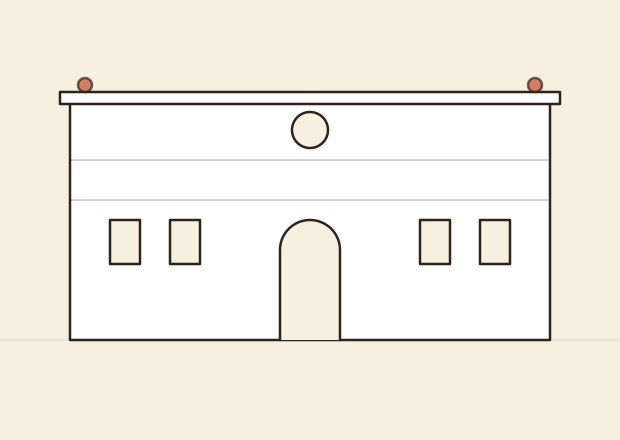
Palazzo delle Aquile
Palermo's town hall, named after the eagles at the corners of the cornice. The statue of Santa Rosalia and the clock were added during 19th-century restorations led by Giuseppe Damiani Almeyda after the 1823 earthquake.
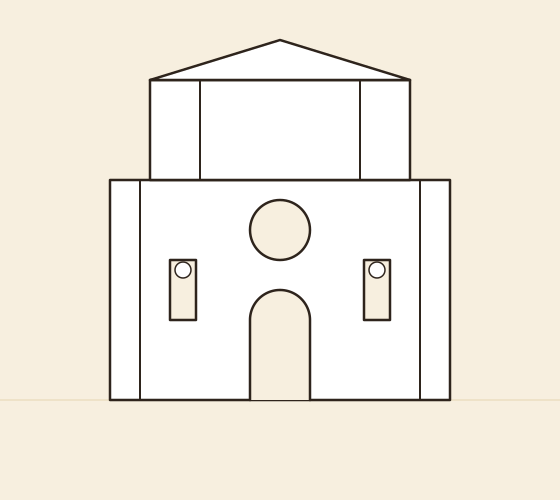
Church of Santa Caterina
On the west flank of the fountain, a late-16th-century masterpiece with Baroque interiors in polychrome marble among the most sumptuous in the city.
Palazzo Bonocore and Palazzo Bordonaro
The two baronial palaces completing the square's perimeter, evidence of Palermitan noble architecture between the 16th and 18th centuries.
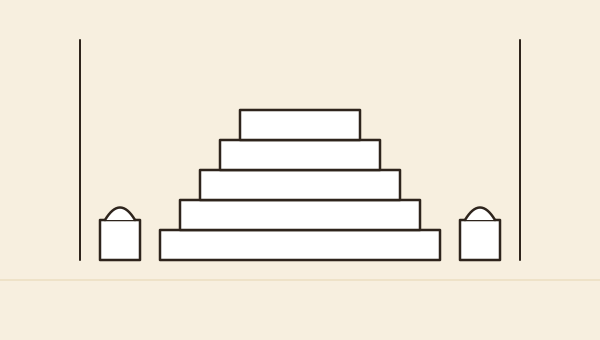
The Staircase of the Lions
On the fourth side of the square, a staircase flanked by two grey Billiemi marble lions, sculpted by Domenico Costantino in 1877, descends towards Via Maqueda.
Want to uncover all the fountain's details?
A guided tour of the historic centre helps decode the hidden meanings of the 48 statues — booking ahead is worthwhile in high season.
See tickets and experiences
Space reserved for local operators.